
About Me

I am a PhD student at Computer Science Department at School of Computer Science, Carnegie Mellon University, advised by Prof. Ding Zhao and Prof. Fei Fang. I also worked with Prof. Jeff Schneider. I got my bachelor degree from Shanghai Jiao Tong University, advised by Prof. Bao-Liang Lu. I also worked as a research assistant at Carnegie Mellon University, Computer Science Department, with Prof. Tai-Sing Lee. My research interests lie in Multimodal Machine Learning, Computer Vision, Robotics, Language Grounding, and Healthcare.

News

    Sep 2021. Receive a gift funding from Adobe. Thanks, Adobe!

    Sep 2021. Receive a research funding from Allegheny Health Network to support my research in healthcare. Thanks!

    Aug 2021. TA 16-824 Visual Learning and Recognition by Prof. Jun-Yan Zhu. Check our course here: 16-824 Fall2021

    May 2021. Start a research internship at Adobe research.

    Jan 2021. TA 11-777 MultiModal Machine Learning by Prof. Yonatan Bisk. Check our course here: 11-777 Spring2021

    Dec 2020. Our paper titled 'Comparing Recognition Performance and Robustness of Multimodal Deep Learning Models for Multimodal Emotion Recognition' got acceptde by IEEE Transactions on Cognitive and Developmental Systems 2020.

    Sep 2019. Our paper titled 'Visual Sequence Learning in Hierarchical Prediction Networks and Primate Visual Cortex' got acceptde by NIPS 2019.

Selected Publications

Comparing Recognition Performance and Robustness of Multimodal Deep Learning Models for Multimodal Emotion Recognition

Proc. of IEEE Transactions on Cognitive and Developmental Systems 2021[PDF]

Wei Liu, Jielin Qiu, Wei-Long Zheng, and Bao-Liang Lu.
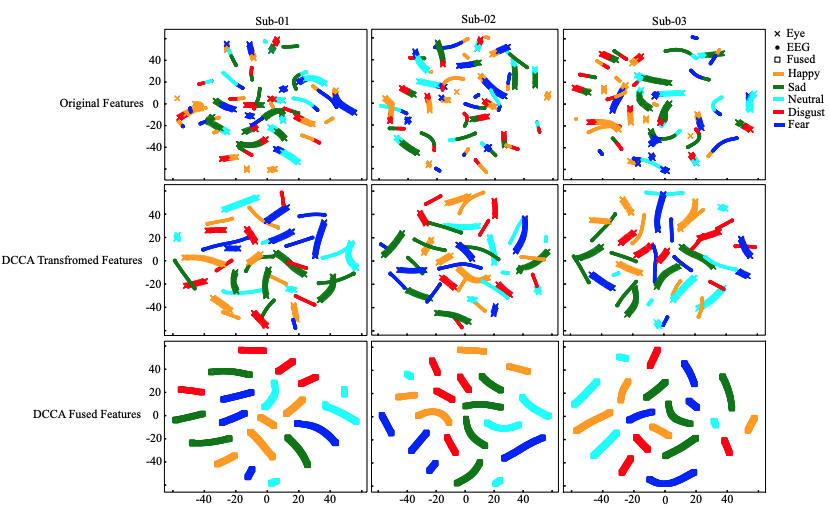
Propose two methods for extending the original DCCA model for multimodal fusion: weighted sum fusion and attention-based fusion. Systemically compare the performance of DCCA, BDAE, and traditional approaches on five multimodal datasets.
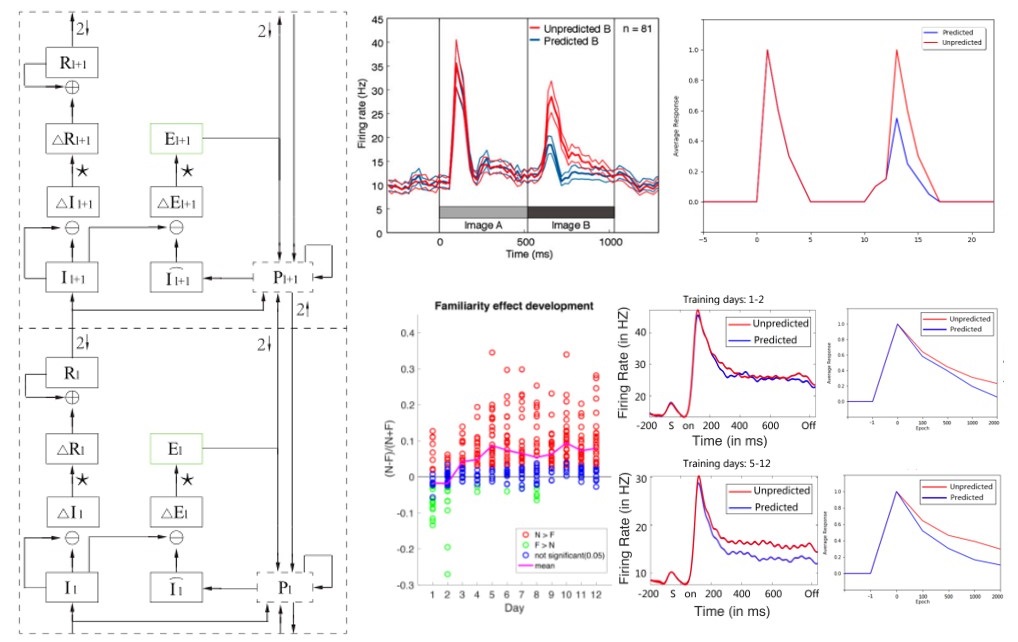
Visual Sequence Learning in Hierarchical Prediction Networks and Primate Visual Cortex

Proc. of thirty-third Conference on Neural Information Processing Systems (NIPS 2019)[PDF]

Jielin Qiu, Ge Huang, and Tai Sing Lee.
Develope a hierarchical network model, neurally inspired and constrained, to understand how spatiotemporal memories might be learned and encoded in the visual hierarchy that can be used for predicting future episodic events. Show that this neurally inspired and constrained model achieve better prediction performance in real world videos and exhibited video familiarity or prediction suppression effects observed along the ventral stream of the primate visual system.

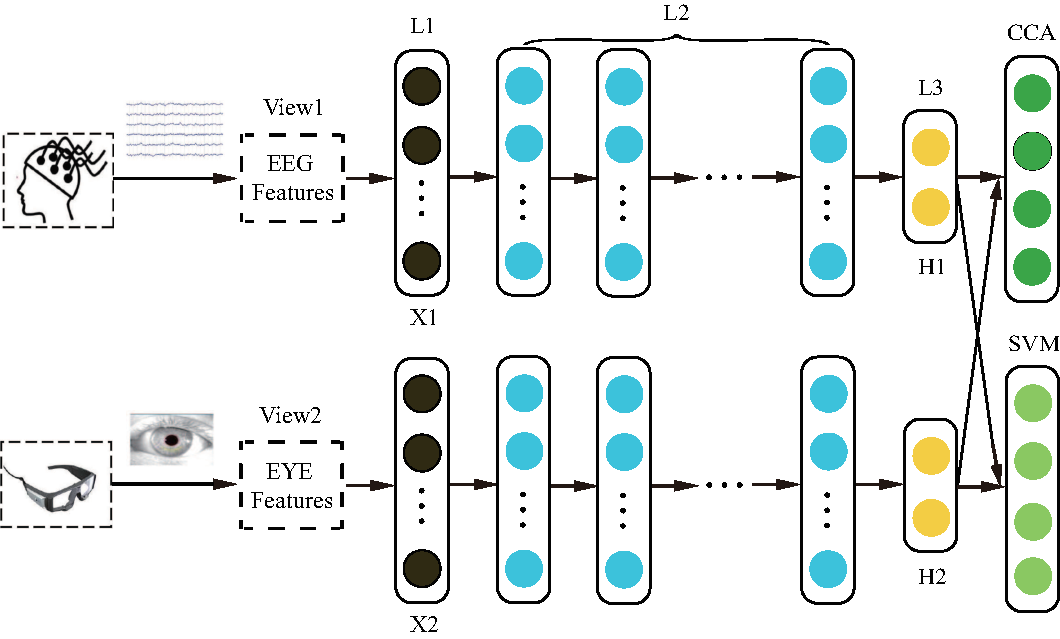
Multiview Emotion Recognition Using Deep Canonical Correlation Analysis

Proc. of 25th International Conference on Neural Information Processing (ICONIP 2018 (oral))[PDF]

Jielin Qiu, Wei Liu, and Bao-Liang Lu.
Use Deep Canonical Correlation Analysis model to calculate the correlation between two views' EEG and eye movement data.
Use deep network to extract features with high correlations and acquire high emotion classification accuracy.

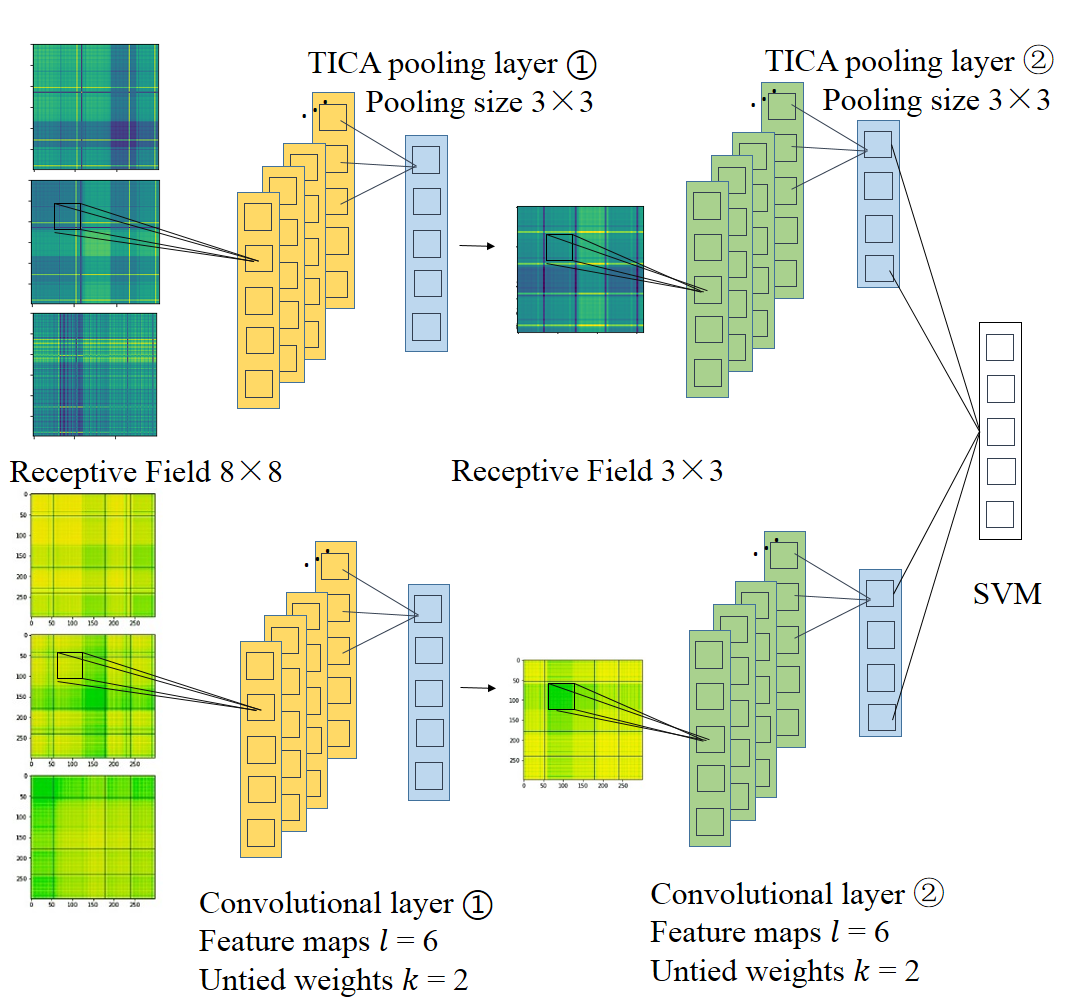
Emotion Recognition based on Gramian Encoding Visualization

Proc. of 11th International Conference on Brain Informatics.} (BI 2018)

Jielin Qiu, Xinyi Qiu, and Kai Hu.
Use Gramian Summation Angular Field (GASF) and Gramian Difference Angular Field (GADF) to encode and visualize EEG signals. Apply two views of tiled convolutional neural networks to recognize emotions.

Data Encoding Visualization based Cognitive Emotion Recognition

Proc. of 17th International Conference on Cognitive Informatics & Cognitive Computing (ICCI*CC 2018 (oral))

Jielin Qiu, Weiye Zhao.
Use Markov Transition Fields to visualize time series signals. Learn high-level features from MTF images through tiled convolutional neural networks.

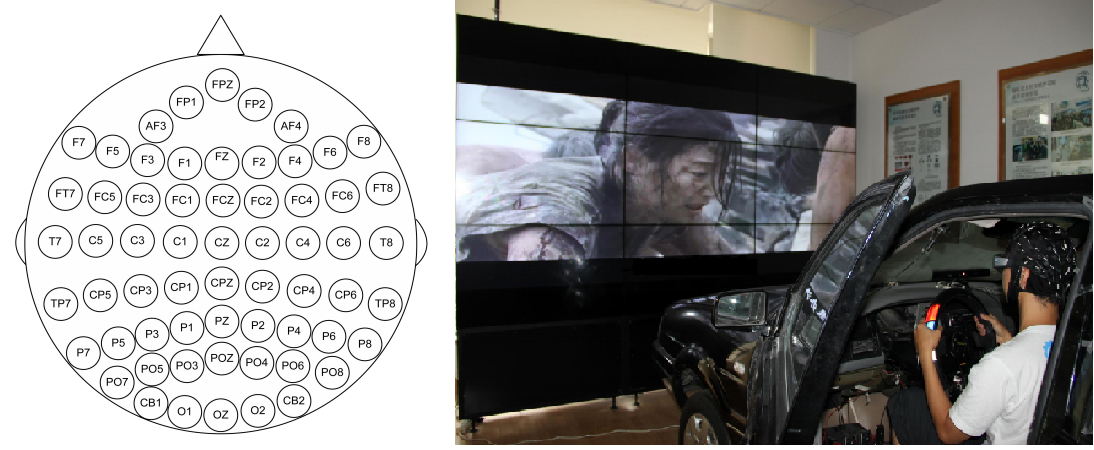
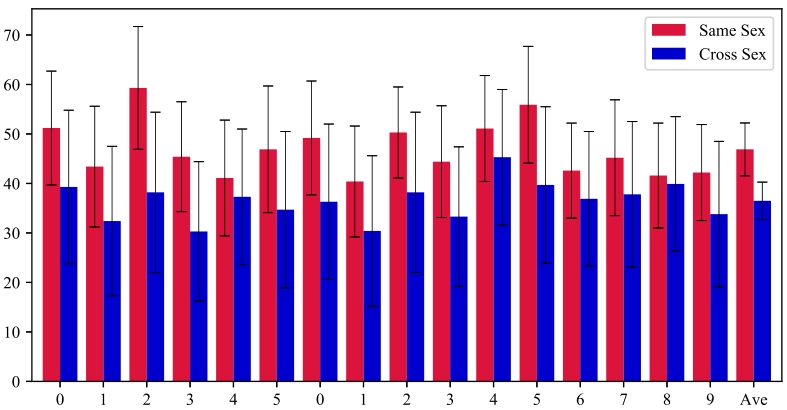
Investigating Sex Differences in Classification of Five Emotions from EEG and Eye Movement Signals

Proc. of 9th International IEEE EMBS Conference on Neural Engineering (NER 2019)[PDF]

Baolan Qing, Jielin Qiu, Hao Tang, Weilong Zheng, and Bao-Liang Lu.
Propose five emotion dataset with EEG and eye movement data (Dataset). Investigate the differences between males and females in emotion recognition using DCCA and LSTM computational models, blink frequency, and blink duration.

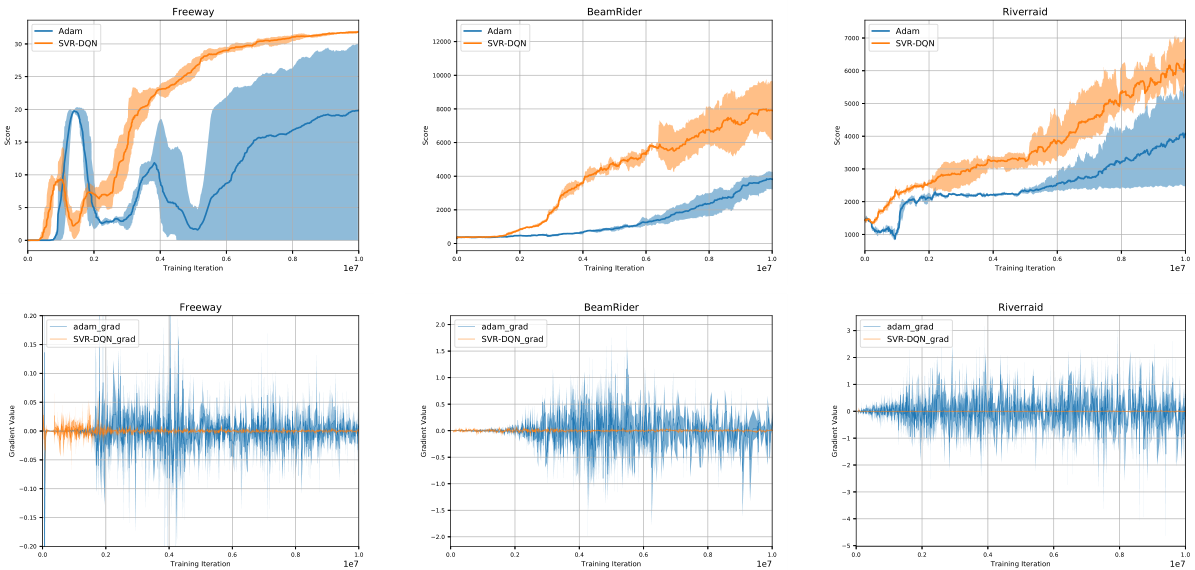
Stochastic Variance Reduction for Deep Q-learning

Proc. of of 31th AAAI Conference on Artificial Intelligence workshop (AAAI 2019)[PDF]

Wei-Ye Zhao, Yang Liu, Xiaoming Zhao, Jielin Qiu, and Jian Peng.
Propose an innovative optimization algorithm for Q-learning which reduces the variance in gradient estimation.

Projects

Language-assisted Deep RL

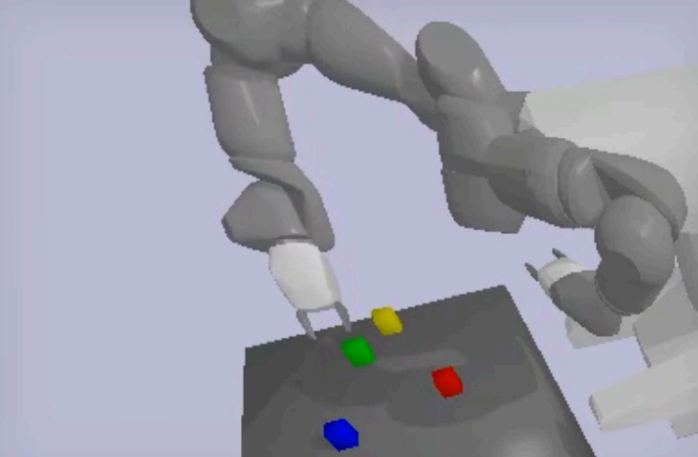
Use language to assist agent learning in Deep RL. Connect language to control for multimodal learning.

On-ground Autonomous Driving for Aircraft

Implement algorithms for the aircraft to achieve autonomous driving on the runway.

Acemap

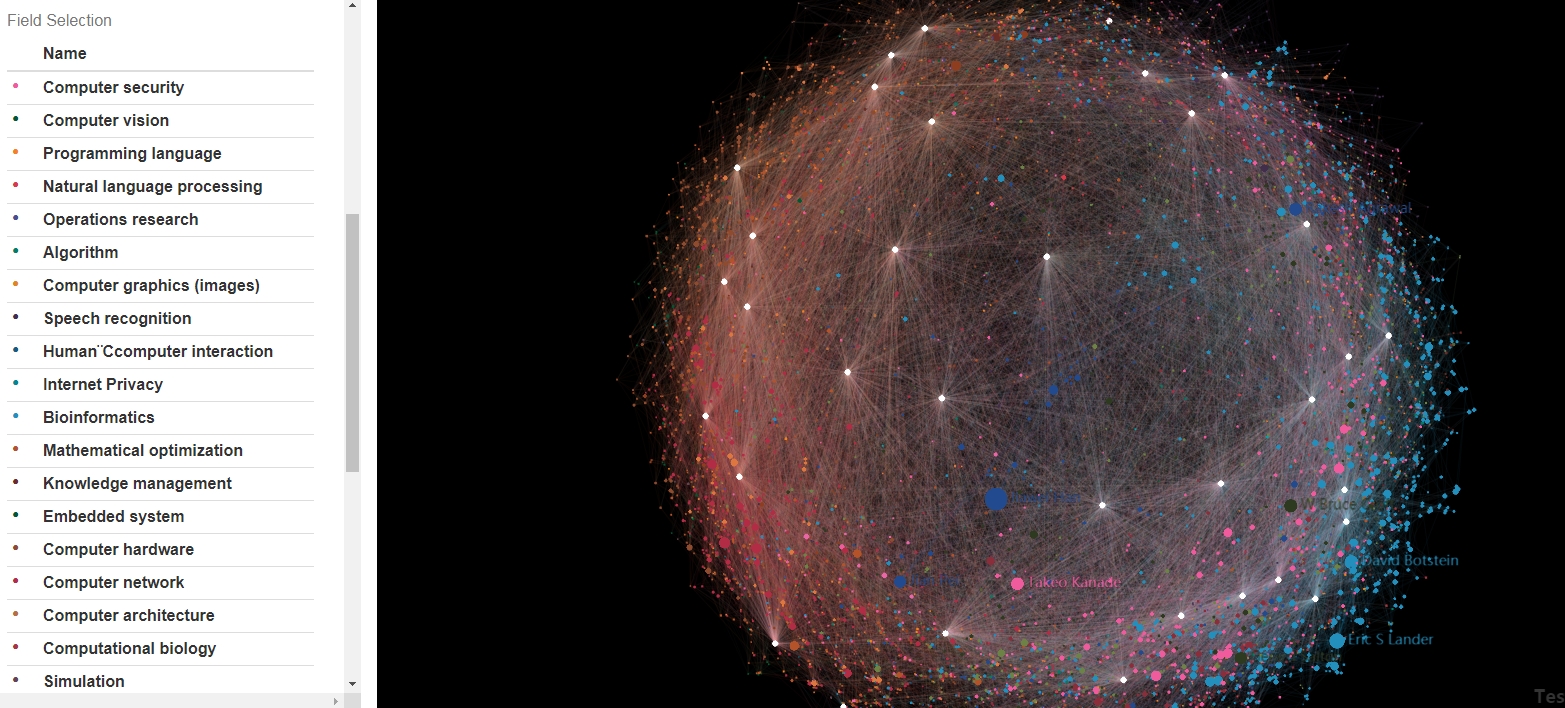
A novel approach towards displaying relationship among academic literatures.
Online system: Acemap

EEG based Musicality Perception

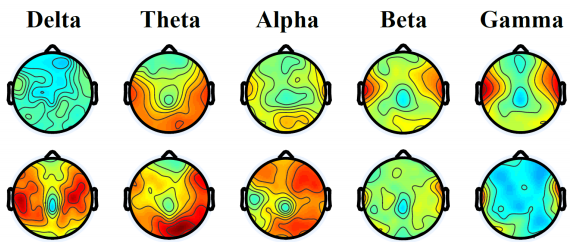
Use EEG recordings of human subjects during music listening and utilize data-driven techniques such as feature extraction (wavelet transform) and classification to understand the relationship of neural activity and the human perception of musicality.